
In recent years, coworking spaces have become a popular office solution for startups, freelancers, and remote teams looking for flexibility and cost efficiency. Instead of committing to long-term office leases, businesses can now access fully equipped workspaces designed to support collaboration, productivity, and growth.
Understanding the benefits of a coworking space is essential for companies that want to optimize operating costs while maintaining a professional working environment. From flexible rental terms to built-in networking opportunities, coworking spaces offer practical advantages that traditional offices often lack—especially for fast-growing startups and hybrid teams.
What is coworking space?
A coworking space is a shared working environment where individuals and businesses use common office facilities while working independently or collaboratively. Unlike traditional office rentals, coworking spaces operate on flexible membership models, allowing users to rent desks, private offices, or meeting rooms on a daily, monthly, or short-term basis.
Most coworking spaces provide essential office infrastructure, including high-speed internet, meeting rooms, reception services, and shared amenities such as lounges or pantry areas. This setup allows businesses to focus on their core operations without worrying about office management or long-term commitments.
From an office rental perspective, coworking spaces serve as a modern alternative to conventional offices—particularly suitable for:
- Startups testing new markets
- Remote or hybrid teams needing a physical workspace
- Small businesses seeking a professional business address
Coworking originated in 1995 in Berlin, where early hackerspaces provided shared environments for technology professionals and innovators. These community-driven spaces became the foundation of the modern coworking model.
The concept expanded in the early 2000s alongside the rise of digital entrepreneurship and remote work. Adoption accelerated significantly after the COVID-19 pandemic, as companies began shifting away from long-term office leases.
Today, coworking spaces are widely used by startups and large enterprises to reduce office rental costs, support hybrid work models, and access professional office infrastructure with greater flexibility.
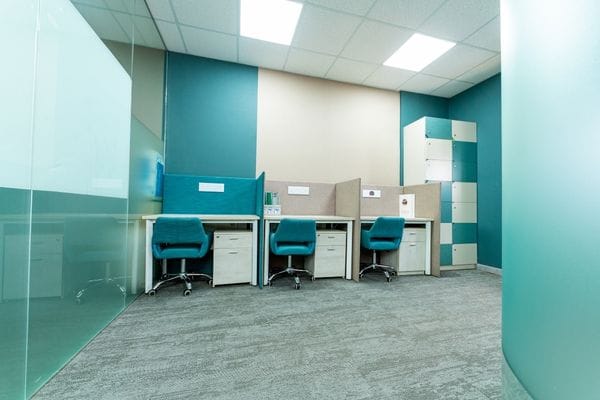
Key Benefits of a Coworking Space You Should Know
Flexible Workspace Options for Growing Teams
One of the most important benefits of a coworking space is flexibility. Unlike traditional office rentals that require long-term leases, coworking spaces offer short-term memberships that can be adjusted as a business grows or changes.
Coworking providers typically offer multiple workspace types, including hot desks, dedicated desks, and private offices. This allows startups and remote teams to scale their workspace up or down without renegotiating contracts or investing in additional office infrastructure.
From an operational perspective, flexible office access reduces financial risk. Businesses can respond quickly to market changes, project-based staffing, or hybrid work policies while still maintaining a professional working environment. For growing companies, this level of adaptability is difficult to achieve with traditional office leasing models.
Cost Savings Compared to Traditional Office Rentals
Another major benefit of a coworking space is the ability to reduce office rental costs. Traditional offices often require long-term leases, upfront deposits, fit-out expenses, and ongoing costs for utilities, maintenance, and office management. These fixed expenses can place a heavy financial burden on startups and small teams.
In contrast, coworking spaces operate on an all-inclusive pricing model. Membership fees typically cover rent, electricity, internet, cleaning services, reception support, and shared facilities such as meeting rooms and common areas. This predictable cost structure helps businesses manage cash flow more effectively.
For startups and remote teams, coworking spaces eliminate the need for large initial investments while still providing access to a professional office environment. From a cost-efficiency standpoint, coworking offers a practical alternative to traditional office leasing, especially in high-demand business districts.
Strong Community and Collaboration Environment
A key advantage of a coworking space is the sense of community it creates. Unlike traditional offices where teams work in isolation, coworking environments bring together freelancers, startups, remote employees, and small businesses from diverse industries.
This shared setting naturally encourages collaboration and knowledge exchange. Daily interactions in common areas, shared meeting rooms, and community events help professionals build relationships, share expertise, and solve problems more efficiently.
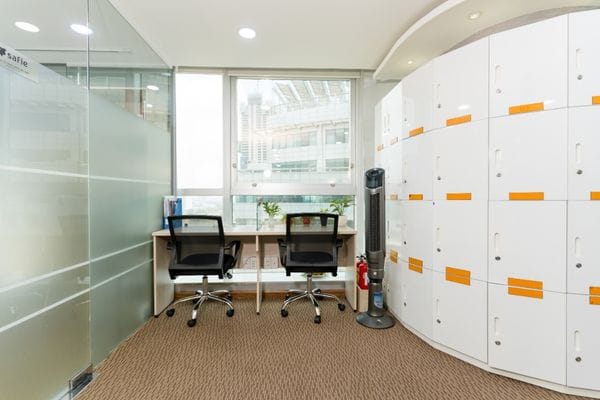
Networking Opportunities With Like-Minded Professionals
One of the most valuable benefits of a coworking space is access to built-in networking opportunities. Coworking environments bring together professionals from different industries, including technology, marketing, finance, and creative services, all working within the same office space.
Many coworking operators actively support networking through community events, workshops, and business meetups. These activities create opportunities for collaboration, partnerships, and client acquisition without the need for formal networking efforts.
Increased Productivity and Creativity
Coworking spaces are designed to support productivity and creative thinking. Unlike working from home or in public spaces, coworking environments offer a professional setting with fewer distractions and clearly defined work areas.
Access to ergonomic furniture, reliable high-speed internet, and quiet zones helps individuals and teams maintain focus throughout the workday. At the same time, exposure to professionals from different industries can stimulate new ideas and encourage creative problem-solving.
Access to Shared Resources and Premium Amenities
One practical benefit of a coworking space is access to shared resources and office amenities that would otherwise require significant investment. Coworking providers typically offer fully equipped meeting rooms, high-speed internet, printers, reception services, and common areas as part of the membership.
These facilities are maintained by the operator, ensuring consistent quality and professional standards. For startups and remote teams, this removes the need to manage office operations while still allowing them to host meetings, collaborate effectively, and maintain a professional business image.
How much do coworking spaces cost?
The cost of coworking spaces varies considerably. On average, a desk in the Viet Nam can range from $100 to over $700 per month, depending on location, workspace type, and included services. In major business districts, pricing is typically higher due to demand and proximity to commercial centers, while suburban or secondary locations may offer more affordable options.
Most coworking spaces use a membership-based pricing model. Common options include hot desks, dedicated desks, and private offices, with fees usually charged on a monthly basis. These prices often include rent, utilities, internet, cleaning services, and access to shared amenities such as meeting rooms and common areas.

How to choose the right coworking space
Selecting the right coworking space plays a key role in productivity, cost control, and long-term business growth. To make an informed decision, consider the following factors:
- Understand your business needs: Start by identifying your workspace requirements. Consider your team size, expected growth, and daily work style. Key factors may include high-speed internet, private offices or meeting rooms, quiet work areas, and flexible membership options that allow you to scale up or down.
- Evaluate location and accessibility: Choose a coworking space that is convenient for both your team and clients. Proximity to public transportation, major business districts, and nearby amenities such as cafes or banks can improve efficiency and employee satisfaction.
- Review pricing and included services: Set a clear budget and compare coworking costs carefully. Look beyond the base price and evaluate what is included, such as utilities, internet, reception services, meeting room access, and facility management. Transparent pricing helps avoid unexpected expenses.
- Assess facilities and community fit: A reliable coworking provider should offer well-maintained facilities, secure access, and professional support services. In addition, the coworking community and overall work environment should align with your company culture and collaboration needs.
By focusing on these criteria, businesses can select a coworking space that supports both immediate operations and long-term success.

Conclusion
Coworking spaces have become a practical office solution for startups, freelancers, and remote teams seeking flexibility, cost efficiency, and a professional working environment. Compared to traditional office rentals, coworking offers scalable workspace options, predictable costs, and access to shared resources that support daily operations and business growth.
By understanding the benefits of a coworking space—from flexible leases and networking opportunities to productivity-focused design—businesses can make informed decisions that align with modern work models. Choosing the right coworking space allows companies to reduce overhead while maintaining the infrastructure and community needed to grow sustainably in an increasingly flexible workplace landscape.