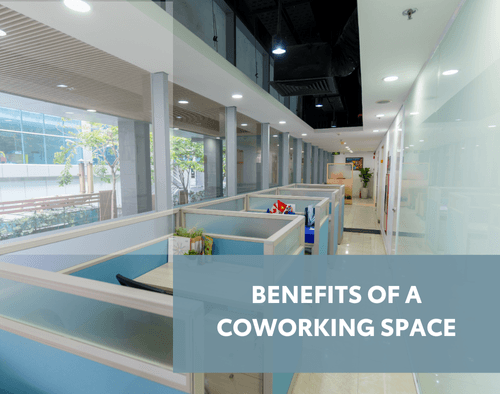
A coworking space is a shared work environment where individuals and companies from different organizations rent desks, offices, or meeting rooms under one roof. Instead of signing a long lease for a fixed office, members pay for flexible access to a fully equipped workspace. At G Office, this model has become the go-to solution for startups, freelancers, and growing teams across Ho Chi Minh City. In this guide, you will learn what coworking space means, why companies and employees benefit from it, who it suits best, and how to set up this model inside your own organization.
What Is Coworking Space?
Coworking space is a rented, shared office environment where multiple companies and individuals work side by side under flexible, short-term contracts. Members typically get access to a desk, high-speed internet, meeting rooms, and common amenities without owning or leasing the building themselves. The model removes the fixed costs and long commitments of a traditional office.
Coworking started as a solution for freelancers and remote workers who needed a professional setting outside their homes. It has since expanded to serve startups, satellite teams, and even large enterprises testing new markets. A coworking space usually combines open desks, private booths, and bookable meeting rooms in one facility, so members choose the setup that fits their task that day.

Why Are Coworking Spaces Interesting for Companies?
Coworking spaces attract companies because they cut costs, add flexibility, and remove the burden of managing office infrastructure. Businesses gain a ready-to-use workspace without the capital investment a traditional office requires. Five factors explain why this model has become standard for modern teams.
Central Location
Coworking providers usually operate in prime business districts, close to clients, partners, and public transport. A central address improves a company’s professional image and makes daily commuting easier for staff. Renting a similar location independently would cost far more than a coworking membership.
Full Convenience
Members walk into a fully furnished office with desks, meeting rooms, printers, and pantry areas already set up. There is no need to buy furniture, install internet, or hire office staff before the team can start working. This convenience lets companies focus on operations from day one instead of office setup.
Savings Through a Central Location
Splitting the cost of a prestigious address among many tenants makes central real estate affordable for small and mid-sized companies. A business can operate from a downtown location for a fraction of what a private lease in the same area would cost. This shared-cost model is one of the strongest financial arguments for coworking.
Sound Infrastructure
Coworking spaces provide enterprise-grade infrastructure: stable high-speed internet, backup power, security systems, and professional meeting technology. Companies avoid the upfront investment and ongoing maintenance these systems normally require. Reliable infrastructure also reduces downtime, which matters for client-facing teams.
Concentration on the Essentials
Because the coworking provider handles cleaning, maintenance, reception, and utilities, member companies can concentrate on their core business instead of office administration. This is especially valuable for lean teams without a dedicated facilities or admin department. Time saved on office logistics translates directly into more time spent on revenue-generating work.

What Advantages Do Coworking Spaces Offer to Employees?
Coworking spaces give employees a more flexible, social, and comfortable work experience than a traditional closed office. Staff can choose between quiet zones, open desks, or meeting rooms depending on the task at hand. This flexibility supports different working styles across a single team.
Employees also benefit from networking opportunities that a private office cannot offer. Sharing a building with other companies exposes staff to new contacts, potential partners, and fresh ideas. Many coworking spaces also add wellness perks such as lounge areas, free coffee, and community events, which improve day-to-day job satisfaction.
Who Is Coworking For?
Coworking spaces suit any professional who needs a flexible, cost-efficient workspace without a long-term lease commitment. The following groups make up the majority of coworking members:
- Freelancers and remote workers who need a professional setting away from home.
- Startups that want a functional office without tying up early-stage capital.
- Small and medium businesses scaling their team without committing to a fixed lease.
- Corporate satellite teams testing a new city or market before opening a full branch.
- Project-based teams that need a temporary base for a fixed period.
The table below compares coworking space with a traditional private office, so companies can match the model to their actual needs.
| Factor | Coworking Space | Traditional Office |
| Contract length | Flexible, from daily to monthly | Usually 1–3 years |
| Upfront cost | Low, no furniture or setup needed | High, includes fit-out and deposit |
| Location | Prime business districts, shared cost | Depends on budget |
| Scalability | Easy to add or reduce desks | Requires renegotiation or relocation |
| Community access | Built-in networking with other companies | None |
| Best for | Startups, freelancers, satellite teams | Established companies with stable headcount |
How Can the Coworking Work Model Be Established in a Company?
A company can adopt the coworking model by defining its space needs, choosing a provider, and setting internal policies for how the team uses the space. This process usually takes three steps.
First, the leadership team should assess how many desks, meeting rooms, and private areas the company actually needs on a weekly basis. Second, the company compares coworking providers based on location, G Office’s virtual office solution for legal address needs, private office options for teams that want a dedicated room, or a shared office plan for open-desk flexibility. Third, the company sets clear internal guidelines on booking meeting rooms, hot-desk etiquette, and which roles are eligible for coworking access.
Companies that skip the planning step often over-provision desks and pay for unused capacity. Starting with a smaller membership and scaling up as headcount grows keeps costs aligned with actual usage.
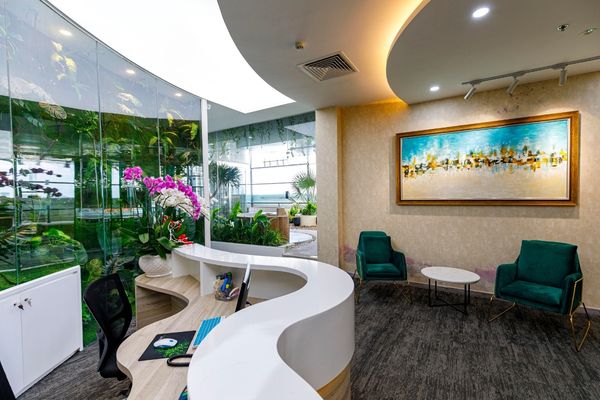
G Office – Coworking Space in Central Ho Chi Minh City
G Office provides coworking space in central Ho Chi Minh City, we currently have six fully equipped branches across District 1, District 3, and Tan Binh District. combining prime addresses with flexible desks, private offices, and meeting rooms for companies of every size. Members get a professional business environment without the cost and commitment of a traditional lease.
The G Office network covers virtual offices for companies that need a legal business address, shared office desks for teams that want daily flexibility, and private offices for businesses that need a dedicated, lockable space. This range lets a company start small and move between plans as its team grows, all within the same trusted network.
Our branches:
- 19th Floor – Room 1901 – Saigon Trade Center – 37 Ton Duc Thang, Saigon Ward
- 15th Floor – Room 1505 – Vincom Center – 72 Le Thanh Ton, Saigon Ward
- 6th Floor – Rosana Tower – 60 Nguyen Dinh Chieu, Tan Dinh Ward
- 10th Floor – Citilight Tower – 45 Vo Thi Sau, Tan Dinh Ward
- 2nd Floor – Hado Airport Building – 02 Hong Ha, Tan Son Hoa Ward
- 8th Floor – Cao Thang Mall – 19 Cao Thang, Ban Co Ward
FAQ
What Is the Concept of Coworking Space?
Coworking space is a shared office model where individuals and companies from different organizations rent desks or rooms in the same building under flexible terms. Members split the cost of a professional location, infrastructure, and amenities instead of leasing an office alone.
Can We Sleep in a Coworking Space?
Most coworking spaces are licensed as commercial offices, not residential units, so sleeping overnight is not standard practice and is usually against house rules. Some 24/7 facilities allow extended hours for deadline work, but they are not designed or equipped as living spaces.
How Does a Coworking Space Work?
A coworking space works on a membership model: a company pays a monthly or daily fee for access to desks, meeting rooms, and shared amenities. Members can typically book resources through an app, use common areas freely, and scale their plan up or down as team size changes.
What Is Another Name for a Coworking Space?
Coworking space is also called a shared office, flexible workspace, or shared workspace. In Vietnam, terms like “văn phòng chia sẻ” and “không gian làm việc chung” describe the same model.